Light
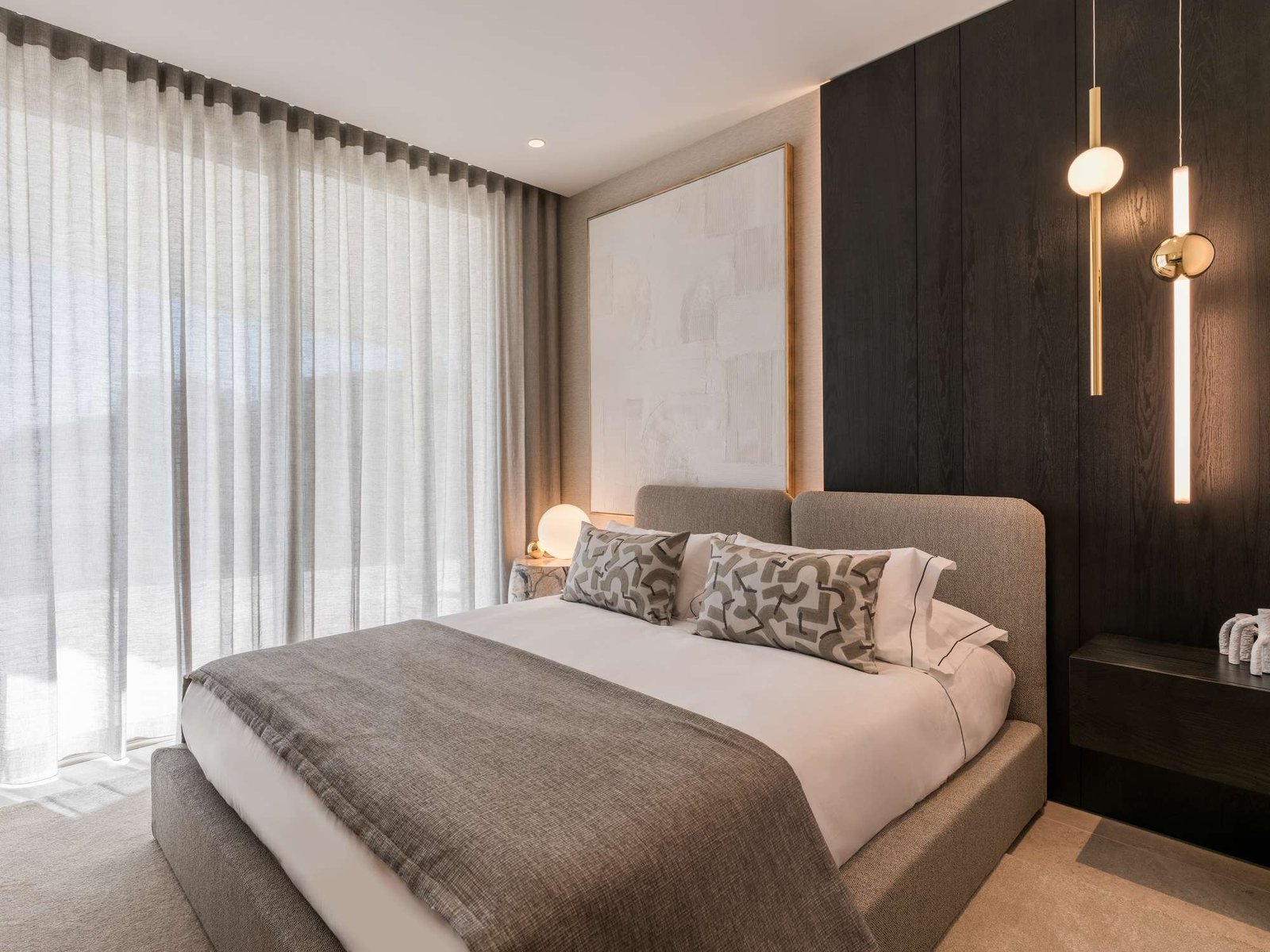
Light shapes sleep before sleep shapes performance.
Most people spend their days indoors, yet light remains one of the strongest influences on energy, recovery, and wellbeing.
The Future Human Manifesto
We are designing for a different kind of human.
The gap
Homes as objects and design as style, while environments must support health, performance, longevity, and the human.
Designing Objects
vs
Designing Human Ecosystems
The conflict is not between an old home and a new home.
Light shapes sleep before sleep shapes performance.
Most people spend their days indoors, yet light remains one of the strongest influences on energy, recovery, and wellbeing.
Attention is becoming a scarce resource.
The environments we build can either increase mental fatigue or help the brain focus on what matters.
Recovery is not an activity. It is an environment.
Stress does not end when work ends, and the spaces around us continue to influence how the body recovers.
The body was designed to move. Most environments were not.
Daily movement is shaped as much by the space around us as by personal discipline.
Connection rarely happens by accident.
The environments we create influence how often people gather, interact, and feel a sense of belonging.
The way people sleep, work, recover, move, connect, and age has changed.
Yet many environments are still planned around old assumptions: rooms, functions, square footage, and aesthetics.
This is where the future of living begins. not with more technology, but with a more accurate understanding of human life.
Health is no longer something we visit.
It has become part of everyday living.
The spaces around us influence how we sleep, recover, manage stress, move through the day, and sustain wellbeing over time.
Future environments must support health quietly, continuously, and without turning the home into a clinic.
Technology is becoming invisible.
The most advanced environments will not feel automated. They will feel effortless.
As work, communication, learning, security, comfort, and daily routines become more connected, design must support technology without allowing it to dominate the experience of living.
Future environments must make technology feel natural, intuitive, and human.
Longer lives require different environments.
Longevity is not only about adding years. It is about designing for the changes those years bring.
The body changes. Work changes. Family structures change. Privacy, recovery, movement, and independence change.
Future environments must evolve with people instead of forcing people to adapt to spaces that were designed for only one stage of life.
We are living longer · working differently · our bodies are changing · our families are changing
We are still building for a human who no longer exists.
The thesis
Humans and spaces are not separate. They work as one system: biological, adaptive, and continuous.
Read The Book →