01
Psychology
How emotion, cognition, memory, identity, and belonging influence the experience of space.
The System
The MORÈNA SYSTEM™The Human Outcomes · EvidenceNeurodesignFuture of LivingLongevity LivingIntellectual PropertyTHE MORÈNA METHOD™ is the methodology and planning intelligence of Human Experience & Wellness Design, connecting spatial decisions to measurable human outcomes across sleep, focus, recovery, regulation, and long-term quality of life. THE MORÈNA SYSTEM™ is an AI-Powered Personalization & Design-Build Management Platform.
More Than Just a Feeling® was created to address this gap.
THE MORÈNA METHOD™ is the methodology and planning intelligence of Human Experience & Wellness Design. THE MORÈNA SYSTEM™ is an AI-Powered Personalization & Design-Build Management Platform. It analyzes how individuals interact with space across psychological, biological, neurological, physiological, environmental, longevity, personality, lifestyle, and human-outcomes dimensions. through a structured eight-layer framework and assessment logic.
The system translates human understanding into experience strategy and design intelligence, helping private clients, developers, architects, and wellness-focused organizations create environments that better support human wellbeing, performance, recovery, and long-term quality of life.
Core capabilities span human identification, the eight-layer framework, experience strategy, design translation, compatible technology, and human outcomes, connecting analytical methodology with project-level implementation.
Most interior design focuses on how a space looks. Some design also talks about how a space feels.
But very little design explains how spatial conditions affect people in daily life, or why certain homes quietly support sleep, focus, and calm while others create ongoing strain even when they look well designed.
More Than Just a Feeling® was created to address this gap.
Traditional interior design is primarily visual. It focuses on layout, style, materials, and aesthetics.
Even when it refers to “feeling,” the discussion usually remains abstract, calm, cozy, warm, modern, without clearly connecting design choices to their real impact on daily function.
What is missing is a clear understanding of cause and effect.
Design decisions are often made without fully examining how materials, light, scale, rhythm, and spatial flow influence sleep, energy, regulation, behavior, and long-term comfort for the people living in the space.
More Than Just a Feeling® is not a style and not a design concept. It is a structured system for understanding how space interacts with the human system.

The MORÈNA SYSTEM™ examines the relationship between people and the built environment through eight interconnected human dimensions.
Together, they create a more complete understanding of how environments are perceived, experienced, used, and sustained over time, forming the human foundation for experience and design.
Psychology
How emotion, cognition, memory, identity, and belonging influence the experience of space.
Biology
How biological rhythms, individual sensitivities, and environmental exposure interact with everyday life.
Neurology
How attention, sensory processing, stimulation, and regulation influence a person’s response to the environment.
Physiology
How movement, ergonomics, physical comfort, fatigue, and bodily response inform the built environment.
Environment
How spatial conditions, materiality, light, air, sound, scale, flow, and context shape the conditions of everyday life.
Longevity
How environments can remain supportive, adaptable, and relevant as people, abilities, families, and life stages change over time.
Personality, Taste & Lifestyle
How personality, personal taste, culture, routines, relationships, identity, and ways of living shape an individually relevant environment.
Human Outcomes
How the built environment can support observable outcomes across sleep, recovery, focus, stress regulation, activity, connection, and long-term quality of life. Where appropriate and with informed consent, this understanding may be supported by insights from compatible wearables, smart devices, environmental sensors, and occupant feedback.
OCCUPANT FEEDBACKCOMPATIBLE WEARABLESSMART WATCHES & RINGSENVIRONMENTAL SENSORSPOST-OCCUPANCY INSIGHTS
The Morena Human Blueprint™ is the proprietary human profile created through The MORÈNA SYSTEM™.
It brings together insights across eight interconnected dimensions to form a more complete understanding of how an individual uniquely perceives, responds to, and experiences the built environment.
It is not a generic personality test, aesthetic-style profile, or medical diagnosis. It creates the human foundation from which a more relevant experience and design direction can be developed.
The underlying assessment architecture, profiling logic, interpretation model, and cross-layer relationships remain proprietary and confidential.
The human foundation for experience and design.
Insights from each layer are translated into concrete planning decisions across:
Spatial layout and circulation · Material selection · Lighting strategy · Acoustics · Environmental control
This ensures that design decisions are based on a clear understanding of how space affects human function, not on intuition or aesthetics alone.
Because space is not neutral. And design is never only about how something looks or feels.
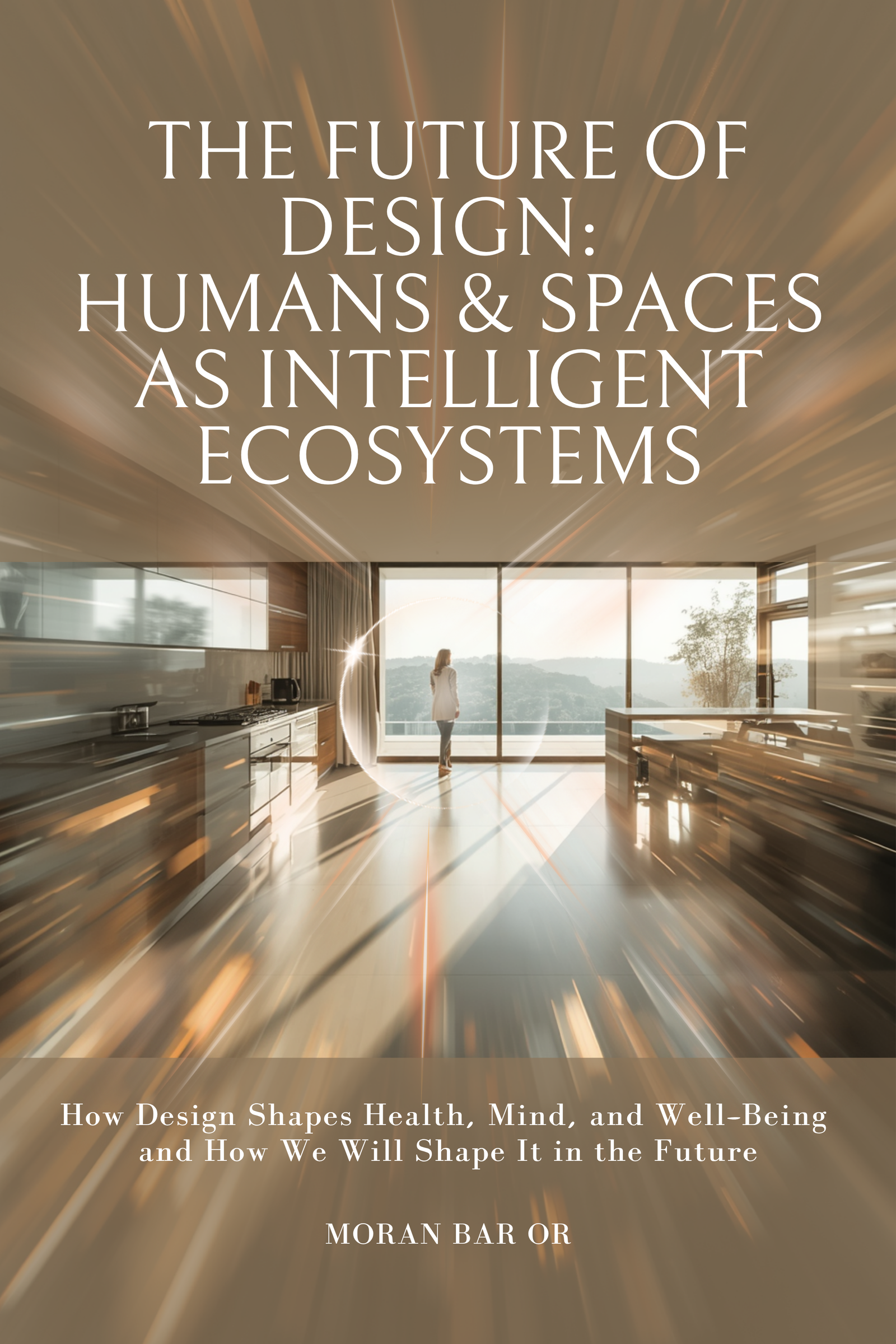
It is the foundation of the Morena System ™ and the conceptual basis of my professional book:
From Methodology to Application
THE MORÈNA METHOD™ is the professional methodology of Human Experience & Wellness Design. It reads a person and a project through eight human dimensions.
THE MORÈNA SYSTEM™ is separate. It is the platform that applies that understanding to development work: buyer and resident personalization, selections, upgrades and coordinated professional workflows.
The Morena Human Blueprint™ establishes the human profile.
THE MORÈNA SYSTEM™ applies that understanding through eight development solutions, each for a specific kind of real estate development.
The Morena Blueprint™ then translates it into a clear experience and design direction for the built environment.
The MORÈNA SYSTEM™
The Morena Human Blueprint™
Eight development solutions
The Morena Blueprint™
The MORÈNA SYSTEM™ is applied through six dedicated, sector-specific systems.
Each brings together human identification, experience strategy, professional design translation, and compatible technology, adapted to the people, environments, operational realities, and ambitions of its sector.
The Morena Blueprint™ transforms that integrated understanding into a clear, project-specific direction for clients, organizations, developers, architects, designers, and multidisciplinary project teams.
The Shift
Personalization in the home is moving beyond style, finishes, and visual preference toward environments that respond more meaningfully to the people who live within them.
The System
Private Residential Design brings together human identification, personality and lifestyle understanding, experience strategy, interior architecture, design translation, and, where relevant, insights from compatible technology. It establishes a coherent direction for the home and the lives it is intended to support without reducing personalization to aesthetics alone.
Designed For
Private Homes · Apartments · Renovations · New Builds · Luxury Residences · Multigenerational Homes · Aging in Place
Discuss a Private HomeThe Shift
Residential development is moving beyond generic unit planning and amenity packages toward more relevant, differentiated, and experience-led living environments.
The System
The Morèna Residential Living™ applies the Morena framework across buildings, unit types, shared environments, residential communities. It connects population understanding, resident experience, design translation, and compatible feedback technologies to support a more coherent residential product at scale.
Designed For
Multifamily · Condominiums · Build-to-Rent · Rental Communities
Discuss a Residential DevelopmentThe Shift
Hospitality is moving beyond beautiful accommodation toward more intentional, responsive, and personally relevant guest experiences.
The System
The Morèna Hospitality Experience™ connects human understanding, guest-experience strategy, hospitality identity, spatial and sensory design, operational context, and compatible technology. It helps translate the brand promise into the lived guest environment without reducing hospitality wellness to a list of amenities.
Designed For
Luxury Hotels · Boutique Hotels · Resorts · Wellness Retreats · Business Hotels · Serviced Apartments · Extended Stay · Branded Hospitality Residences
Discuss a Hotel ProjectThe Shift
The workplace is moving away from one fixed environmental model toward spaces that recognize different patterns of focus, interaction, stimulation, movement, and recovery.
The System
The Morèna Workplace Experience™ connects workforce understanding, organizational culture, employee experience, environmental design, and compatible feedback technologies. It establishes a more relevant direction for how work is supported, experienced, and translated into the physical environment.
Designed For
Corporate Headquarters · Hybrid Offices · Technology Companies · Professional Services · Coworking · R&D · Creative Workplaces · Operational Work Environments
Discuss a WorkplaceThe Shift
Wellness residential living is planned through the residence and its shared spaces, not as a list of treatments added to an ordinary building.
The System
The Morèna Longevity & Wellness Living™ brings together human identification, wellness-experience strategy, sensory and spatial design, and compatible technologies to shape environments for activation, regulation, recovery, and long-term wellbeing.
Designed For
Wellness Residential Developments · Branded Residences · Longevity Living Communities
Designed to support future integration with compatible wearables, environmental sensors, smart devices, and occupant feedback.
Discuss a Wellness EnvironmentThe Shift
Environments for later life are moving beyond minimum compliance toward places that more intentionally support autonomy, orientation, social connection, changing abilities, and quality of life.
The System
The Morèna Senior Living™ brings together resident understanding, experience strategy, adaptability, environmental design, and supportive technology to create a more cohesive direction for residents, families, teams, and communities.
Designed For
55+ Communities · Active Adult · Independent Living · Assisted Living · Memory Care · Aging in Place Communities · Supportive Residential Environments
Discuss a Senior Living ProjectEach authorized application culminates in a sector-specific, project-based direction that aligns the intended human experience with design and implementation priorities.
The underlying assessment architecture, interpretation logic, data relationships, and Blueprint-generation process remain proprietary and confidential.
Proprietary Systems Notice
The MORÈNA SYSTEM™, The Morena Human Blueprint™, The Morena Blueprint™, Private Residential Design, The Morèna Residential Living™, The Morèna Hospitality Experience™, The Morèna Workplace Experience™, The Morèna Longevity & Wellness Living™, and The Morèna Senior Living™ are proprietary brand names, service identifiers, frameworks, and intellectual-property assets of Moran Bar Or.
The public descriptions presented on this website communicate the purpose and intended application of the systems only.
The underlying assessment architecture, human-profile methodology, data model, weighting, interpretation logic, design-translation protocols, recommendation structure, technology integrations, and Blueprint-generation process remain confidential and are disclosed only through authorized engagements.
All original written content, visual frameworks, diagrams, interface elements, software, documentation, and digital materials are protected under applicable intellectual-property laws.
© 2026 Moran Bar Or. All rights reserved.
* Licensed Use Notice: The MORÈNA SYSTEM™ is proprietary and available for authorized use only. For permitted implementation pathways, please contact us.
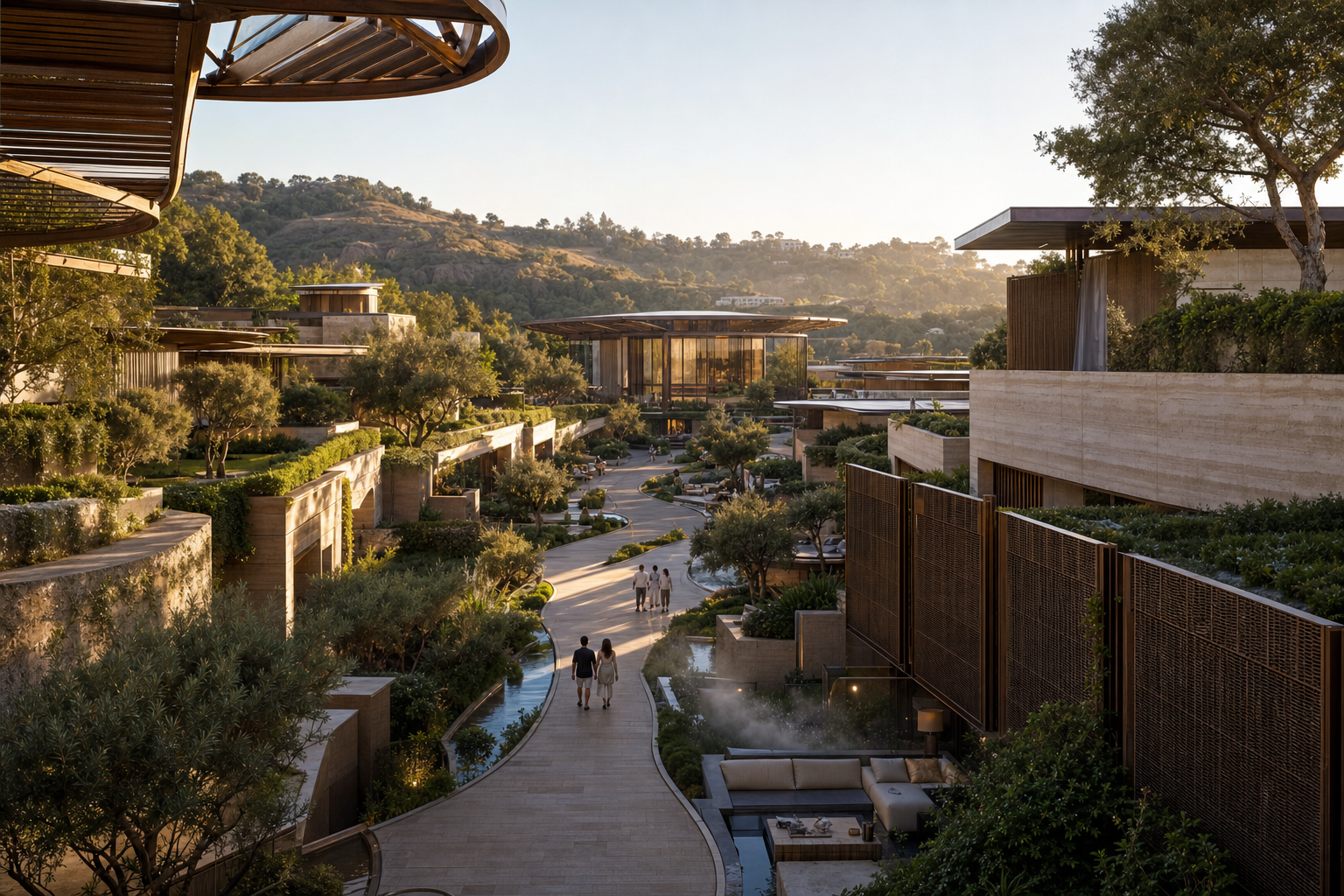
A future residential neighborhood designed around wellbeing, recovery, and longevity.
Explore Project →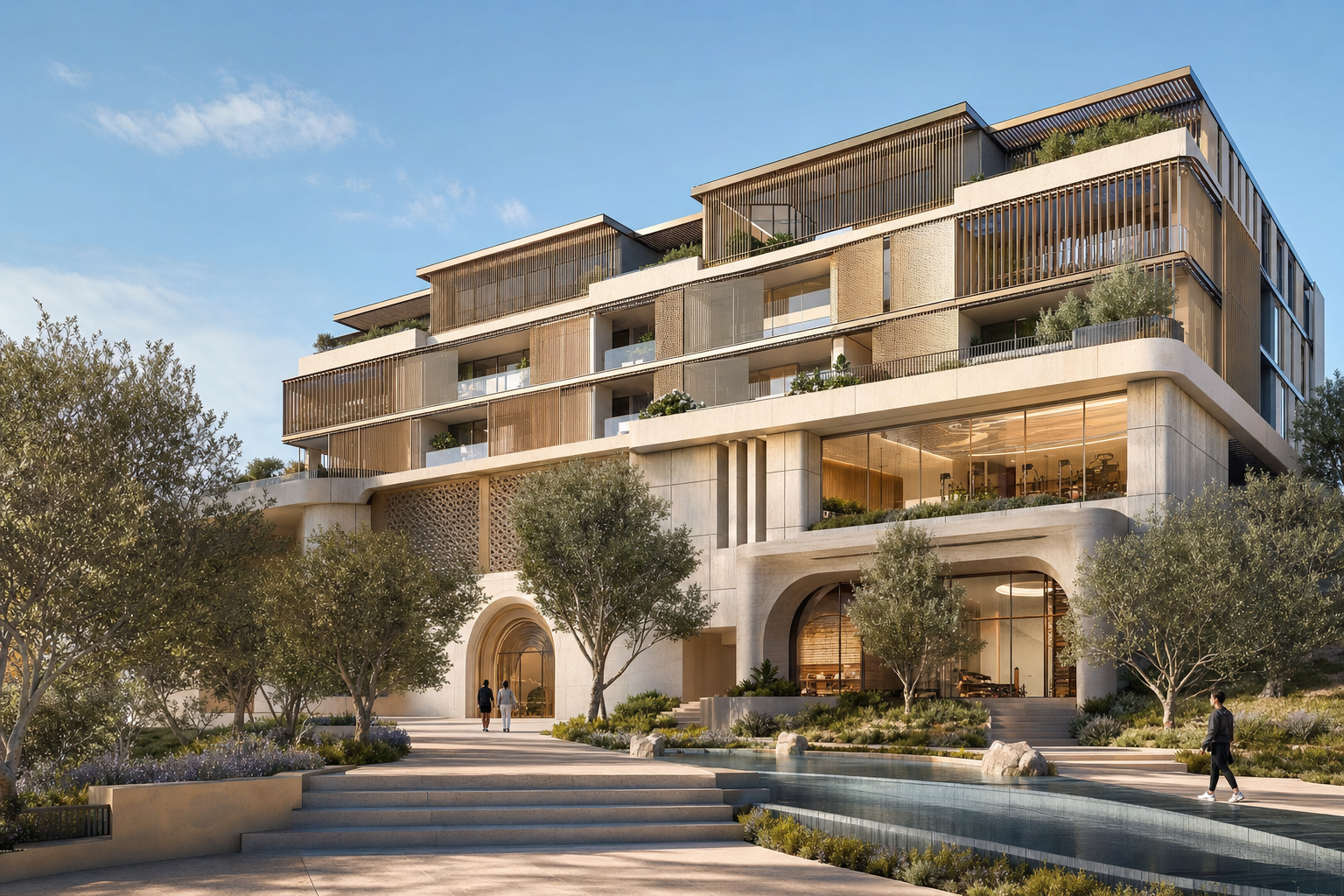
A luxury residential tower where architecture supports healthspan, regulation, and urban quality of life.
Explore Project →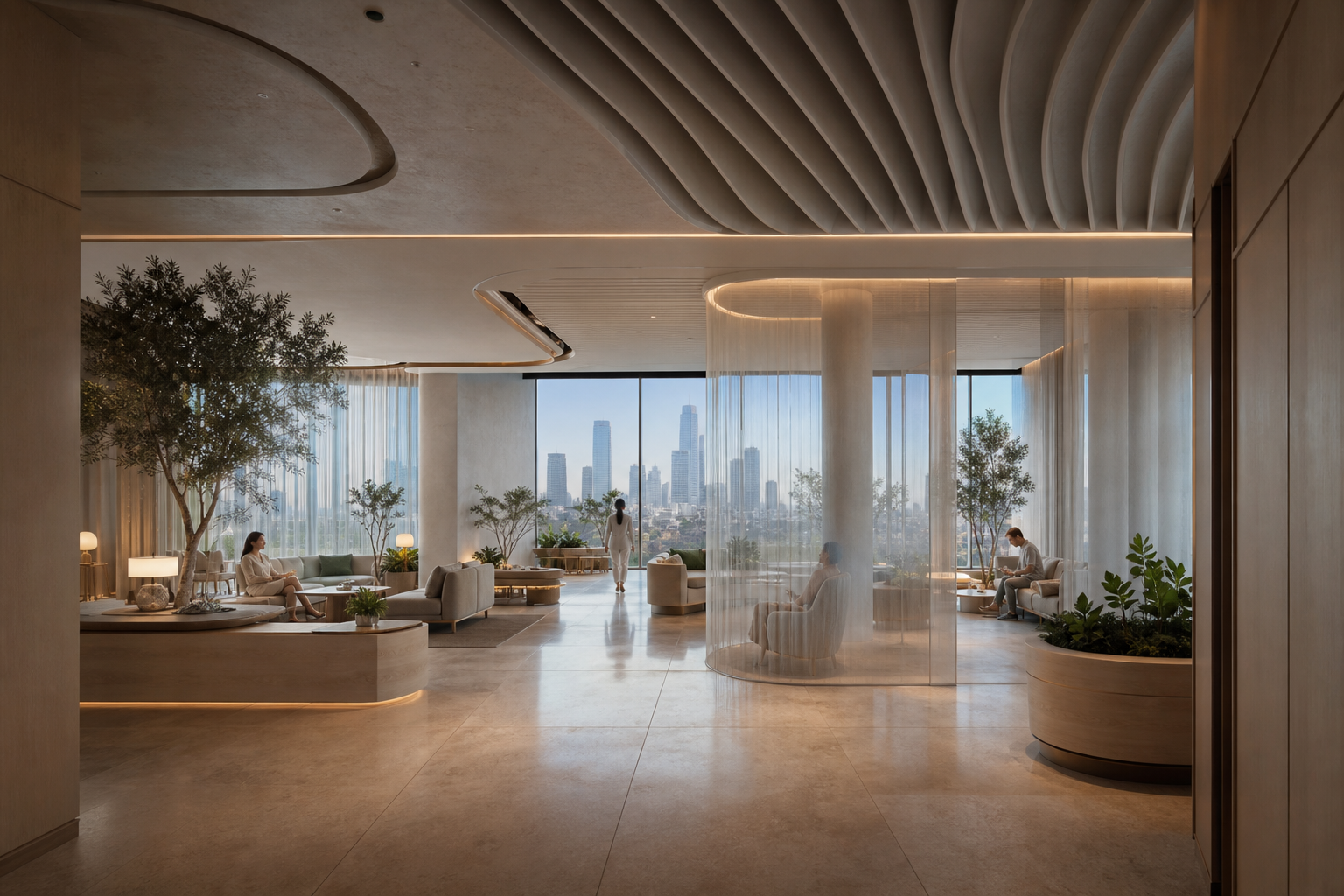
A next-generation office floor designed to support focus, collaboration, recovery, and human performance.
Explore Project →