
How Chemical Materials in Interior Design Affect Your Health
The interior design of our homes is not just about aesthetics but also health. The materials used can directly affect our well-being. Harmful chemicals can cause allergies, respiratory issues, and even chronic diseases. Here’s how to identify and avoid these harmful substances and choose healthier options.

Health Impacts of Chemical Materials
Formaldehyde: Widely used in wood, paints, adhesives, and textiles, formaldehyde is known to cause cancer and increase the risk of allergies and respiratory problems. Long-term exposure can lead to eye, nose, and throat irritation, headaches, and fatigue.
How to Avoid:
- Choose furniture made from natural, chemically untreated materials.
- Use water-based paints instead of chemical-based ones containing formaldehyde.
- Look for products labeled as formaldehyde-free.
Volatile Organic Compounds (VOCs): These chemicals are emitted from many interior design products, including paints, adhesives, carpets, and furniture. Exposure to VOCs can cause respiratory issues, headaches, fatigue, and allergic reactions.
How to Avoid:
- Choose paints and adhesives labeled “Low-VOC” or “Zero-VOC.”
- Regularly ventilate your home after painting or installing new furniture.
- Use natural materials like solid wood and organic fabrics.
Plastic and PVC: These materials are widely used in furniture, flooring, and textiles. They can release harmful chemicals like phthalates and BPA, which can cause hormonal issues, allergies, and respiratory problems.
How to Avoid:
- Use furniture made from natural wood instead of plastic.
- Choose flooring made from wood, bamboo, or other natural materials.
- Look for organic textiles rather than synthetic ones.
Paints and Silicones: Many paints and silicones contain harmful chemicals that can be released into the air and cause various health problems. Exposure to chemical paints can cause eye, skin, and respiratory irritation.
How to Avoid:
- Use only water-based paints.
- Choose silicones free of harmful chemicals.
- Ensure good ventilation after painting.
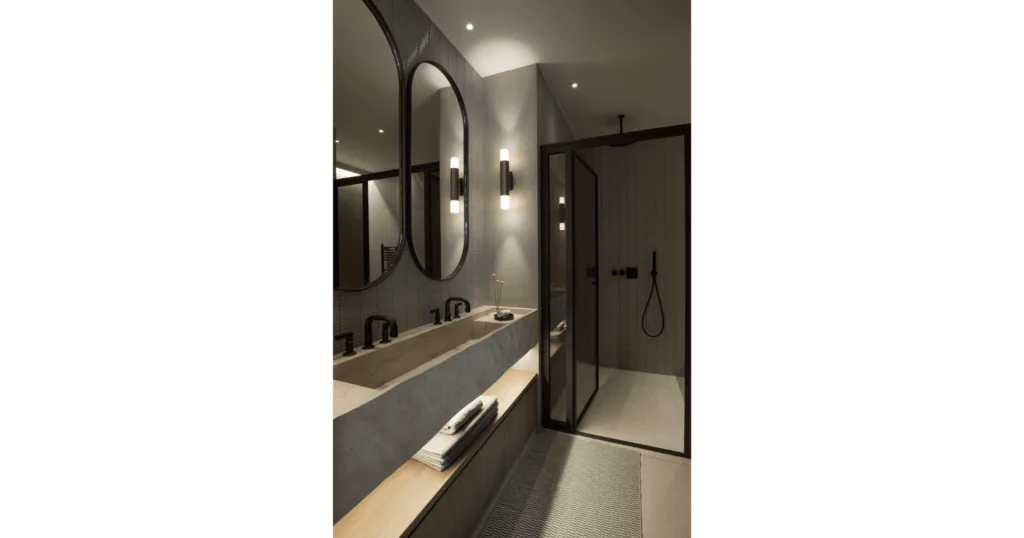
Tips for Healthy Interior Design
- Choose Natural Materials: Look for natural, chemically untreated materials like solid wood, bamboo, and organic fabrics.
- Ventilate Your Home: Keep your home well-ventilated to reduce the concentration of chemicals in the air.
- Use Eco-Friendly Paints: Choose water-based paints that do not contain harmful chemicals.
- Add Houseplants: Houseplants can help filter the air and improve the home’s atmosphere.
- Check Product Labels: Ensure the products you buy are free of harmful chemicals and formaldehyde.
Examples of Healthy Materials for Interior Design
- Natural Wood Flooring: Wood that is free of chemicals helps maintain clean and healthy air.
- Organic Fabrics: Fabrics like organic cotton, natural wool, and bamboo can reduce exposure to harmful chemicals.
- Water-Based Paints: These paints do not contain harmful substances like formaldehyde and VOCs.
- Furniture Made from Recycled Materials: Furniture from recycled materials does not contain harmful chemicals and is eco-friendly.
Conclusion
The materials we use in our home’s interior design can directly affect our health. By choosing natural, chemically untreated materials, maintaining regular ventilation, and using eco-friendly paints, we can reduce exposure to harmful chemicals and protect the health of our residents. It’s important to check product labels and ensure they are free of harmful substances. Choosing a healthy interior design will positively impact our quality of life and help maintain a clean and healthy environment.